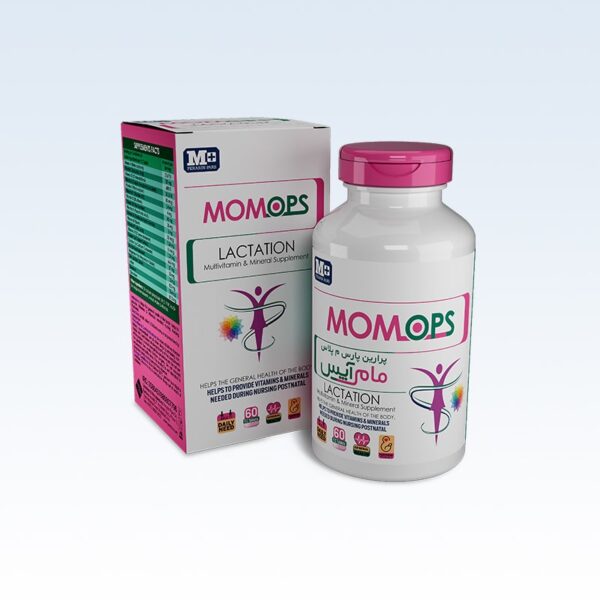
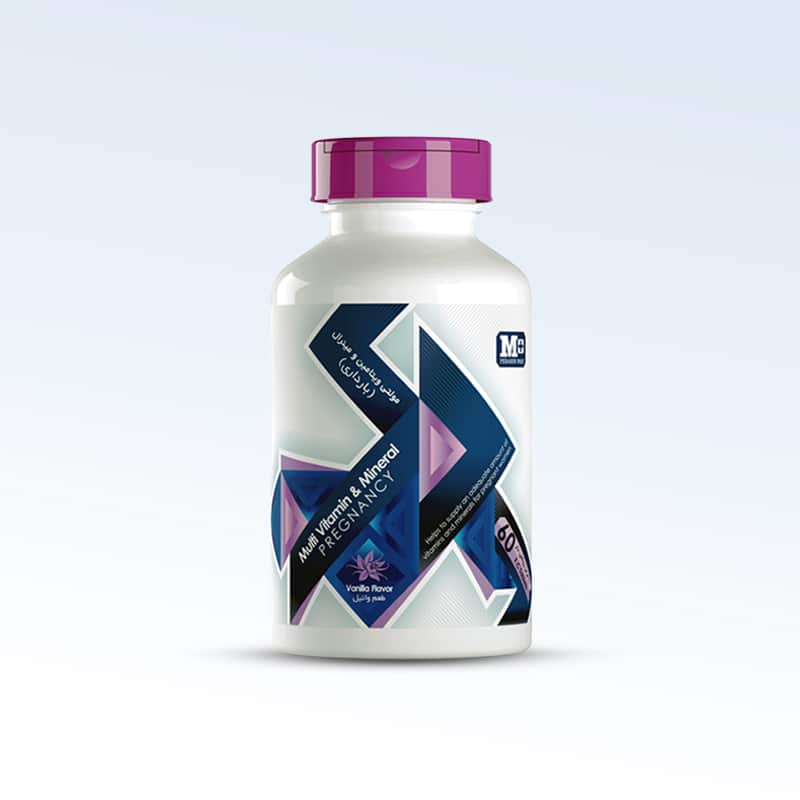
Multivitamin and Mineral Pregnancy
- This supplement helps provide sufficient vitamins and minerals for pregnant women.
Product Specifications
| Dosage Form | F.C Tablet |
| Unit Count | 60 |
| Category | Women's Health |
| Packaging Type | Plastic Bottle |
| ERX Code | 82860 |
| GTIN Number | 6262094901487 |
| IRC Number | 5686224433608951 |
| Country of Origin | Iran |
| Manufacturer | Perarin Pars |
| Website | perarin.com |
Practical Information
| Characteristic | Each F.C tablet contains sufficient vitamins and minerals for pregnant women. |
| Indications | Helps provide sufficient vitamins and minerals for pregnant women. |
| Direction | Take one tablet daily with a glass of water after the main meal. |
| Warnings and Precautions | For adults only. Consult your physician if you are taking any medications (especially anticoagulants or blood thinners) or have a medical condition. Do not use if you have known hypersensitivity to any of the ingredients in this product. Do not exceed the recommended daily dose unless advised by your physician. |
| Description | Pregnancy significantly increases a woman’s nutritional needs, as the body must support the growth and development of the fetus while maintaining the mother's health. Adequate intake of essential vitamins and minerals such as folic acid, iron, calcium, iodine, and vitamin D is critical for preventing complications like neural tube defects, low birth weight, preterm birth, and maternal anemia. While a balanced diet is the foundation of good nutrition, many pregnant women may find it difficult to meet all their micronutrient needs through food alone, especially during the first trimester when appetite may be affected by nausea or vomiting. Multivitamin and mineral supplements formulated specifically for pregnancy can help bridge nutritional gaps and ensure both the mother and baby receive the necessary nutrients at the right levels. These supplements provide a convenient and reliable source of key micronutrients, supporting fetal brain development, bone formation, and immune function, while also helping the mother maintain energy, immune defense, and overall well-being. However, it is important to choose pregnancy-specific supplements and consult a healthcare provider to ensure appropriate dosing and safety. |
Ingredients
| Title | The amount of | Daily Requirement |
| Vitamin D3 (as Cholecalciferol) | 400IU | 50% |
| Vitamin E (as D-Alpha Tocopheryl Acid Succinate) | 33IU | 100% |
| Vitamin K1 (Phytonadione) | 70mcg | 78% |
| Vitamin C (as Ascorbic Acid) | 70mg | 88% |
| Thiamine (as Thiamine Mono Nitrate) | 3mg | 214% |
| Riboflavin | 2mg | 143% |
| Niacin | 20mg | 111% |
| Pyridoxine (as Pyridoxine HCL) | 10mg | 526% |
| Folic Acid | 400mcg | 67% |
| Cyanocobalamin (Vitamin B12) | 6mcg | 231% |
| Biotin | 150mcg | 500% |
| Pantothenic Acid (as Calcium Pantothenate) | 6mg | 100% |
| Magnesium (as Magnesium Oxide) | 150mg | 43% |
| Iron (as Ferrous Fumarate) | 17mg | 63% |
| Zinc (as Zinc Sulfate) | 15mg | 136% |
| Copper (as Copper Sulfate) | 1000mcg | 100% |
| Selenium (as Sodium Selenate) | 30mcg | 50% |
| Iodine (as Potassium Iodide) | 150mcg | 68% |
| Beta Carotene | 2mg | * |
FAQ
Why are multivitamins and minerals important during pregnancy?
During pregnancy, a woman’s body requires higher amounts of certain nutrients to support the developing fetus and maintain her own health. Multivitamins and minerals help fill nutritional gaps and provide essential nutrients like folic acid, iron, calcium, and vitamin D, which are critical for healthy fetal development and maternal well-being.
Is a healthy diet alone enough to provide all the nutrients needed during pregnancy?
While a balanced diet is essential, it may not always provide adequate amounts of certain key nutrients during pregnancy. For example, many women struggle to get enough iron, folic acid, or vitamin D through diet alone. Prenatal multivitamin and mineral supplements help ensure consistent and adequate nutrient intake.
What nutrients are most critical in a pregnancy multivitamin?
Key nutrients include folic acid (to prevent neural tube defects), iron (to prevent anemia), calcium and vitamin D (for bone development), iodine (for brain development), and B vitamins (for energy and metabolism). The supplement should be specifically formulated for pregnancy to ensure proper doses.
Is it safe to take multivitamin supplements throughout pregnancy?
Yes, as long as the supplement is designed for pregnant women and taken at the recommended dosage. It’s important to avoid excessive intake of certain nutrients, such as vitamin A, which can be harmful in high doses. Always consult your healthcare provider before starting any supplement.
When should I start taking prenatal multivitamins?
Ideally, prenatal supplements should be started at least one month before conception and continued throughout pregnancy. Early supplementation, especially with folic acid, is crucial for reducing the risk of neural tube defects in the first few weeks of pregnancy.