The effect of Vitamin B6 on breast pain reduction

The effect of Vitamin B6 on breast pain reduction

In this article, we examine the effect of Vitamin B6 on reducing breast pain. Breast pain is one of the common issues among women who visit healthcare centers, accounting for 50 to 70 percent of visits to breast clinics.

In a large study of 2400 women over a period of 10 years, breast pain was the most common complaint, requiring evaluation and diagnostic procedures. Additionally, the fear of breast cancer is a major reason for these visits, although pain is the sole symptom of cancer in only 7% of cases. Most women experience breast pain at some point in their lives, with a prevalence rate of 65 to 70 percent. In some cases, the pain can be so severe that it affects a woman’s daily activities and quality of life, leading to interference with work, exercise, sexual activity, and social interactions.

Breast pain is categorized into three types:

  1. Cyclical pain
  2. Non-cyclical pain
  3. Exogenous pain

Cyclical Pain: This pain is related to the menstrual cycle, where it increases before menstruation and decreases with the onset of menstruation.

Non-Cyclical Pain: Pain not related to the menstrual cycle.

Exogenous Pain: The etiology of this pain is unknown. Although various factors such as hormone imbalances and psychological factors have been proposed, the exact cause remains unclear.

In many cases, after a careful evaluation and exclusion of cancer, reassurance is enough to provide adequate treatment for the pain. Several approaches have been suggested for managing this pain, including:

Non-pharmacological Treatments: These include wearing appropriate undergarments, relaxation exercises, changes in dietary habits such as limiting intake of fatty foods and caffeine.

Pharmacological Treatments: These include non-steroidal anti-inflammatory drugs, vitamins, and evening primrose oil.

Hormonal Medications: Medications like Danazol, Tamoxifen, and dopamine agonists are also used.

However, hormonal treatments can have side effects such as:

  • Hirsutism
  • Fluid retention
  • Irregular bleeding

Therefore, these treatments are recommended primarily for patients with severe pain. Additionally, in more than half of the cases, the pain recurs after discontinuing the medication. Thus, an optimal treatment plan is yet to be fully defined, and ongoing research continues to explore newer treatments with fewer side effects.

One treatment under discussion is the use of vitamins. Previous studies have focused on Vitamin E, but Vitamin B6 has emerged as a more recent treatment option for breast pain.

Features of Vitamin B6:

  • Inexpensive
  • Accessible
  • Low side effects

Recent studies have examined the effect of Vitamin B6 on breast pain, with promising results showing that it helps in reducing both the severity and frequency of pain. Other vitamins such as Vitamin B1, B6, and E have also been used in managing breast pain, with positive outcomes observed in various studies.

Research and Effects of Vitamin B6
In a study, it was identified as part of treatments for breast pain, along with non-steroidal anti-inflammatory drugs (NSAIDs), evening primrose oil, hormonal medications such as Danazol, and Tamoxifen. It was also mentioned that specialists in the field of breast care usually initiate treatment for breast pain with NSAIDs, evening primrose oil, Vitamin B6, and/or Tamoxifen, and use other hormonal drugs for more serious issues.

In another study on cyclical breast pain, 13% of 276 general surgeons who were randomly selected, used Vitamin B6 as an elective treatment for post-confirmation cyclical pain and for persistent pain. This study suggests that specialists in the field of breast care are more inclined to use treatments with fewer side effects, such as Vitamin B6, as compared to medications like Danazol and bromocriptine, which are prescribed for patients with severe and prolonged pain.

In studies conducted by some researchers, patients with cyclical pain were divided into groups treated with aspirin, a combination of retinol, Vitamin B6, tocopherol acetate, and another group with various medications. All patients experienced a reduction in pain intensity, with the medication group showing the most significant reduction. This study was specifically focused on cyclical breast pain, using a combination of vitamins, not just Vitamin B6 alone.

Another study revealed that Vitamin B6 is effective for both types of breast pain, particularly cyclical pain.

Another important point is the psychological factors affecting the response to treatment. Many patients with breast pain are deeply concerned that their pain might be a symptom of breast cancer. Providing reassurance significantly alleviates their anxiety. Additionally, responses to treatment were positive in all patients who participated in the study, regardless of the type of medication used.

The effectiveness of reassurance in treating patients with breast pain:

78% to 85%

Conclusion:
Given the findings from various studies, Vitamin B6 can be used alongside reassurance to reduce breast pain. It is a low-cost, accessible, and safe medication, with no reported side effects when taken at a dose of 200 mg per day.

Source:
Soltany S, Hemmati H R, Alavy Toussy J, Gholamaliyan E. Effect of vitamin B6 on mastalgia: A double-blind clinical trial. Koomesh 1395; 17(4): 950-956.

The Effect of the Medicinal Plant Artichoke on Fatty Liver

The Effect of the Medicinal Plant Artichoke on Fatty Liver

Review of the Effect of Artichoke Herb on Fatty Liver Markers

In this article, we will examine the effect of the medicinal plant artichoke on fatty liver. Fatty liver is one of the major causes of chronic liver disease in humans. Non-alcoholic fatty liver disease (NAFLD) ranges from asymptomatic fatty liver to severe liver inflammation, fibrosis, and sometimes cirrhosis. If left untreated, it can ultimately lead to liver cell cancer and death.

What is Fatty Liver? Liver diseases come in various forms, each causing damage to this vital organ. Fatty liver is one of the most common liver diseases, caused by the accumulation of fat in the liver. Also known as hepatic steatosis, fatty liver occurs when fat accumulates in the liver cells.

Having a small amount of fat in the liver is natural, but excessive fat buildup can become a major problem. If more than 5-10% of your liver weight is fat, you may have this disease. The liver, the second largest organ in the body, helps process food and filters harmful substances from the blood. This disease is often referred to as the “silent liver disease” because it can occur without any noticeable symptoms.

The prevalence of this disease is rising in many parts of the world, especially in Western countries, affecting around 25% of the global population. The good news is that this disease is reversible and can be treated through lifestyle changes.

Non-alcoholic fatty liver, which occurs in the absence of alcohol consumption, has become a major health concern due to its widespread prevalence.

Symptoms of Fatty Liver

  • Leads to obesity
  • Increases insulin resistance
  • Even in cases without diabetes, it can occur
  • Heart disease and vascular conditions are common
  • Often diagnosed through simple blood tests and liver imaging methods such as ultrasound

Causes of Fatty Liver Insulin resistance exacerbates lipid metabolism disorders, leading to an increase in free fatty acids reaching the liver, disruption of mitochondrial beta-oxidation, new lipogenesis, and a decrease in fat excretion from the liver, all contributing to the development of fatty liver.

Preventing Liver Damage Progression

  • Weight loss may reduce liver damage
  • Managing blood fat levels is effective in preventing further liver damage
  • Various serum enzymes are used for diagnosing liver damage

Common Liver Enzymes:

  • Aspartate Aminotransferase (AST)
  • Alanine Aminotransferase (ALT)

These enzymes are typically elevated in liver diseases and damage, with the highest levels occurring during severe liver necrosis.

There are no specific drugs for treating fatty liver, and while some doctors prescribe vitamin E, its effectiveness for this disease remains unclear due to the high doses required, which may increase the risk of heart attacks and atherosclerosis.

Past studies have shown that antioxidant-rich diets and anti-inflammatory agents, such as active compounds in medicinal plants, can be effective in treating non-alcoholic fatty liver disease.

Artichoke (Cynara scolymus) Artichoke is a plant from the Asteraceae family and is also known as “Erdeh Shahy” in Persian. In traditional medicine across various countries, artichoke is recommended for lowering blood sugar, improving digestion, supporting heart health, and promoting liver health. Artichoke extract, rich in concentrated compounds from the plant, has gained popularity as both a dietary and medicinal supplement.

Nutritional Value of Artichoke: Artichoke is low in fat yet high in fiber, vitamins, minerals, and antioxidants. It contains a significant amount of vitamin B6, vitamin C, and vitamin K, along with essential minerals like magnesium, phosphorus, potassium, and iron.

One medium-sized artichoke provides about 7 grams of fiber, which covers 23-28% of the daily fiber intake. With only 60 calories and about 4 grams of protein per stalk, it is more nutritionally dense than many other vegetables and edible plants. Most notably, artichoke is also considered a potent antioxidant.

Artichoke Extract and Liver Protection: Artichoke leaf extract can protect the liver from damage and promote tissue regeneration. It also enhances bile production, which helps eliminate harmful toxins from the liver.

Studies: In one study, artichoke extract was given to a group of laboratory mice and compared with a control group. The results showed that artichoke consumption led to less liver damage, higher antioxidant levels, and better liver function after excessive drug consumption. Human studies have also shown positive effects on liver health.

For example, a trial involving 90 individuals with non-alcoholic fatty liver disease demonstrated that daily consumption of 600 mg of artichoke extract for two months improved liver function.

Artichoke’s Properties:

  • Liver supporter
  • Antimicrobial
  • Reduces cholesterol
  • Lowers blood fat
  • Stimulates nitric oxide synthase gene expression
  • Improves endothelial cell function in atherosclerosis

Active Compounds in Artichoke:

  • Phenolic compounds: These protect the liver from toxicity and reduce liver enzymes, which aligns with findings from recent studies.
  • Flavonoids: Artichoke leaves contain phenolic compounds like caffeic acid and flavonoids that offer liver protection and increase glucose uptake in peripheral tissues. They also reduce intestinal glucose absorption by inhibiting digestive enzymes and aid in the repair and regeneration of beta cells. These effects help regulate blood sugar and improve lipid levels.

Use of Artichoke Herb:

  • For people with liver and gallbladder issues
  • Those with functional dyspepsia and reduced symptoms of irritable bowel syndrome (IBS)
  • As an adjunct treatment for mild to moderate hypercholesterolemia
  • It helps reduce blood sugar levels
  • For appetite loss

Factors Increasing Fatty Liver Risk:

  • Overweight individuals are more prone to developing fatty liver.
  • Sedentary lifestyle, especially in housebound individuals, increases the risk.
  • High levels of triglycerides and cholesterol in the blood are contributing factors.

Factors Reducing Fatty Liver Risk:

  • A balanced lifestyle is the key treatment for non-alcoholic fatty liver disease.
  • Studies show that after 45 days of consuming artichoke herb, blood sugar, triglycerides, and cholesterol levels decreased, indicating positive effects on liver function and lipid management.
  • Artichoke acts on lipid and lipoprotein reduction through its influence on cholesterol biosynthesis and bile production in the liver.

Reported Effects:

  • Cynarine and caffeic acid have shown protective effects against liver damage caused by carbon tetrachloride. This protective effect has also been observed for artichoke extract, linked to the plant’s antioxidant properties. Hepatic regeneration has been reported in studies where water extracts of artichoke were administered orally to rats after partial liver resection.

Clinical Studies: In a two-month trial, 208 patients with irritable bowel syndrome (IBS) and dyspepsia were treated with 320-640 mg of standardized artichoke leaf extract (ALE). After treatment, significant improvements were seen in IBS symptoms (26%), quality of life (20%), and changes in bowel movement patterns.

Another study showed significant reductions in symptom severity in IBS patients who took ALE for six weeks. Additionally, 96% of patients rated ALE as more effective or at least equivalent to previous treatments, and its tolerance was very good.

Conclusion: Results showed that women experienced more significant improvements in fatty liver grades than men. This may be due to the fact that many of the study participants were housewives who adhered to the precise consumption of artichoke tea, whereas men, due to work schedules, may not have used the tea regularly. Additionally, studies show a significant relationship between serum AST and ALT levels with the severity of non-alcoholic fatty liver disease, where increasing liver disease grade correlates with elevated enzyme levels.

Traditional medicine experts have also noted that women, due to their cold temperament and phlegmatic constitution, are more susceptible to fatty liver than men.

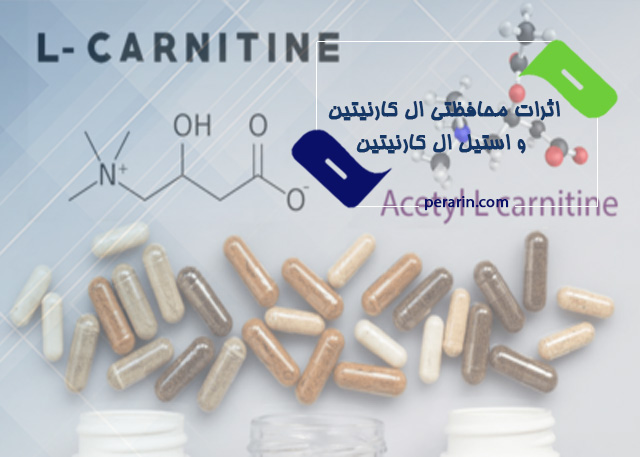
The protective effects of L-carnitine and acetyl-L-carnitine.

The protective effects of L-carnitine and acetyl-L-carnitine.

In recent years, the use of pharmaceutical agents with significant metabolic effects for the treatment of ischemic heart diseases has gained considerable attention.

These include:

  • Atomoxetine
  • Ranolazine
  • L-carnitine (LC)
  • Acetyl-L-carnitine (ALC)

These pharmacological agents are discussed for their roles in heart failure, angina, and other ischemic heart diseases.

Carnitine Carnitine is a naturally occurring biological substance in the human body that plays a crucial role in the production of energy required for the heart and certain other tissues by facilitating the oxidation of long-chain fatty acids.

L-carnitine (LC) is a pharmaceutical formulation with multiple clinical applications, including:

  • Correcting carnitine deficiency in patients with chronic fatigue syndrome
  • Dialysis patients
  • Enhancing exercise tolerance in patients with angina
  • Correcting muscle weakness
  • Growth retardation
  • Motor skill impairment in children and premature infants
  • Treatment of toxicity caused by anthracyclines and sodium valproate

Acetyl-L-carnitine (ALC) Acetyl-L-carnitine (ALC) is the esterified form of LC, synthesized by the ALC transferase enzyme in the brain, liver, and kidneys. This substance facilitates the transport of acetyl-CoA during fatty acid oxidation into the mitochondria, increases acetylcholine production, and stimulates protein and phospholipid synthesis in membranes. Like LC, ALC plays a crucial role in mitochondrial function and serves as an important molecule for the transport of free fatty acids and acetyl groups in metabolism and beta-oxidation of free fatty acids. The primary storage of ALC in the body occurs in skeletal and cardiac muscles.

Effects of ALC Supplementation

  • Neuroprotective effects in brain ischemia
  • Prevention of peripheral nerve damage
  • Effective in the treatment of Parkinson’s disease in animal models
  • Reduction of cognitive decline in aging
  • Treatment of Alzheimer’s disease

Effects of Myocardial Ischemia Myocardial ischemia leads to:

  • Reduced carnitine reserves in the heart
  • Accumulation of toxic metabolites of fatty acids in the heart
  • Inhibition of beta-oxidation
  • Reduced ATP production in the myocardium
  • Toxic metabolites (including acylcarnitine and beta-hydroxy-acyl-CoA metabolites)

Fatty acids have harmful effects on myocardial recovery during reperfusion.

Metabolite Toxicity

  • Membrane damage
  • Enzyme attachment to the cytoplasmic membranes of heart cells
  • Disruption of ion transport across membranes
  • Changes in the integrity of ion channels and transporters
  • Activation of signaling pathways
  • Activation of protein kinases
  • Gene transcription
  • Initiation of apoptosis

Side Effects of LC and ALC Administration The administration of drugs like LC and ALC, through mechanisms that are not fully understood, results in the following effects:

  • Preservation of metabolism
  • Improvement of heart function under ischemic conditions

In a study conducted in 2003, the administration of 5 and 0.5 mM concentrations of ALC and LC 10 minutes before inducing global ischemia (complete ischemia) did not prevent the occurrence of ventricular fibrillation in rats, but the 5 mM concentration reduced the infarct size.

Study Results Adding LC to the Krebs solution as a pharmacological agent in post-conditioning from 10 minutes before the start of reperfusion to 10 minutes afterward showed heart protective effects, including a reduction in infarct size. So far, comparative studies on the protective effects of LC and ALC on infarct size due to regional ischemia and reperfusion are unclear.

Potential Differences Between LC and ALC Effects In a study comparing the effects of LC and ALC during 30 minutes of regional ischemia and 120 minutes of reperfusion in isolated rat hearts, both LC and ALC reduced infarct size compared to the control group. The infarct size was reduced by 43% and 56% with 1.5 and 3 mM LC, respectively, and by 48% and 65% with the same concentrations of ALC.

Reduction of Infarct Area LC and ALC administration during 30 minutes of ischemia and 120 minutes of reperfusion led to a significant reduction in infarct area. Although the decrease in infarct size and infarct area volume was higher with ALC than LC, the effects of both were not statistically significantly different.

Since both substances exist biologically in the body and can be converted into each other enzymatically, it is not surprising that they exhibit similar effects as drugs (qualitatively, not quantitatively). Studies have shown that:

  • In humans, ALC has better bioavailability and gastrointestinal absorption than LC.
  • Other findings suggest that ALC penetrates mitochondria more effectively than LC, which could explain the more prominent heart protection observed with ALC compared to LC.

LC and AC Play Key Roles in Arrhythmia LC and acyl-CoA molecules are key players in arrhythmogenesis. In animal studies, LC consumption resulted in:

  • Reduction of high-energy phosphate loss during ischemic periods
  • Decreased tissue necrosis
  • Preservation of mitochondrial function
  • Improved mechanical and electrophysiological heart function

Benefits of LC Administration LC administration in an ischemic isolated dog heart model resulted in a significant reduction of ventricular arrhythmias, as it reduced the size of the necrotic heart region.

Effects of Oral LC Supplementation Daily oral administration of 2 grams of LC for 28 days significantly reduced the occurrence of arrhythmias and congestive heart failure in patients with acute myocardial infarction.

Studies have also shown that ALC provides effective protection under brain ischemic conditions. Researchers have shown that administering 5 mM ALC and LC shortly before global ischemia reduces infarct size and inhibits cell death.

Methodological Differences in Ischemia The duration of ischemia and reperfusion, the duration of drug administration, and the varying concentrations of LC and ALC used in studies may explain differences in results. In particular, in studies where only the 5 mM concentration of LC or ALC reduced infarct size significantly, prolonged drug administration could be a factor influencing the effectiveness of protection.

Global vs. Regional Ischemia In global ischemia, no drug enters the heart during ischemia, while in regional ischemia, part of the coronary circulation remains partially open, allowing the Krebs solution to flow. This difference in ischemia type plays a role in the varied effects of drugs in the aforementioned studies. Although the exact reasons for the heart protective effects of LC and ALC remain unclear, further studies are needed to better understand these mechanisms.

Introduction of Multiple Mechanisms Additional mechanisms proposed include the administration of LC and ALC, which increases fatty acid transfer into mitochondria and stimulates beta-oxidation during ischemia. This reduces the accumulation of toxic fatty acid metabolites in mitochondria, especially molecules like LCAC and acyl-CoA, and even their transport out of mitochondria. This results in a protective effect against the detergent-like activity of these molecules on mitochondrial membranes, thereby preserving their function in fatty acid metabolism and reducing arrhythmias and other harmful effects of reperfusion injury.

Effects of Increased Glucose Oxidation

Increasing glucose oxidation during reperfusion, while simultaneously inhibiting the transfer of fatty acids into mitochondria, as opposed to ischemia, leads to increased ATP production, resulting in enhanced contractile power and heart compliance, as well as a reduction in the necrotic area. On the other hand, increasing glucose oxidation reduces lactate and H+ ion accumulation, thereby preventing intracellular acidosis in myocardial cells during ischemia, which aids in the faster recovery of ischemic heart function during reperfusion. Increased blood flow to tissues by dilating their blood vessels, inhibiting the harmful effects of free radicals released during reperfusion, and the resistance of heart cells to R/I damage (by stabilizing heart cell membranes) have also been attributed to this. Perhaps a combination of these mechanisms plays a role in their cardiac protective effects.

Conclusion

Overall, the results of this study showed that the protective effects of administering LC and ALC were evident, including a reduction in infarct size and infarct area, without significant statistical differences between the two. Among the proposed mechanisms for these effects, the reduction of toxic metabolites from fatty acids, especially LCAC under ischemic conditions, increased glucose oxidation during reperfusion, and consequently the reduction of lactate and H+ ion accumulation, resulting in the inhibition of acidosis in myocardial cells during ischemia, as well as the inhibition of harmful effects of free radicals released during reperfusion, are more prominently noted. Conducting additional studies may help better identify the effects of these drugs and their protective mechanisms.

To prepare these tablets, visit the link below:

  • L-Carnitine 250 mg
  • L-Carnitine 1000 mg
Use of inositol in clinical practice

Use of inositol in clinical practice

Over the past few decades, the use of inositols in clinical practices has been continuously growing. Inositol is a polyol naturally found in fruits, beans, grains, nuts, and also in animals. The most common forms are inositol hexaphosphate, myo-inositol, and subsequently, D-chiro-inositol. Inositols are found in phospholipids, which act as cellular signal mediators, playing a role in cell metabolic regulation.

Due to its function as an insulin-sensitizing molecule, inositols have positive effects on the treatment of:

  • Polycystic Ovary Syndrome (PCOS)
  • Type 2 Diabetes
  • Gestational Diabetes (GDM)

Inositols, as dietary supplements, offer promising benefits for improving women’s health.

Myo-Inositol, D-Chiro-Inositol, Inositol Hexakisphosphate (InsP6) are utilized in various therapeutic fields. They also play a significant role in male fertility, thyroid function recovery, and the reduction of metabolic syndrome and anxiety.

PCOS:
The pivotal role of inositols in mediating various insulin actions for the treatment of PCOS has been thoroughly demonstrated.

Effectiveness of Myo-Inositol:
Several studies strongly confirm the effectiveness of:

  • Myo-Inositol
  • D-Chiro-Inositol
  • Inositol Hexakisphosphate (InsP6)

whether used alone or in combination with other inositols. These findings show improvements in spontaneous ovulation and fertility enhancement in women with Polycystic Ovary Syndrome.

Insulin Resistance in Women:
The use of inositols as an insulin-sensitizing agent to regulate metabolism and enhance ovulation is considered a valuable and therapeutic approach. Inositols improve hormonal disorders such as hyperandrogenism and metabolic disturbances caused by Polycystic Ovary Syndrome.

Benefits of Inositol Supplements:
Inositol supplements improve sensitivity to clomiphene citrate, thereby enhancing ovulation and pregnancy rates in women with PCOS.

Inositols as a Valuable Alternative to Metformin:
Since Metformin is one of the first approaches for treating PCOS, researchers have compared its therapeutic role with inositols. Interesting findings showed that in insulin-resistant patients with Polycystic Ovary Syndrome, inositols can be a valuable replacement for Metformin as a treatment for insulin resistance. When used in the doses prescribed by a specialist, no side effects are observed.

Infertility:
Worldwide, about one-third of infertility cases can be attributed to:

  • Reduced sperm count
  • Sperm motility
  • Sperm morphology changes

Medications, assisted reproductive technologies, and surgery are common treatments for male infertility. Inositols, whether taken orally or incubated with semen, improve sperm quality, thus increasing the potential success of spontaneous pregnancies.

GDM:
During the first trimester of pregnancy, the onset of:

  • Glucose intolerance
  • Insulin resistance

can be a risk factor for GDM, the most common pregnancy complication associated with adverse maternal and fetal outcomes. Inositols have also been tested for preventing and treating gestational diabetes in several clinical trials.

High doses of inositols may cause minor side effects such as nausea and diarrhea. However, a case report by researchers showed that this molecule, even at high concentrations:

  • 4 grams of inositol
  • 3 times per day for 3 weeks

is safe. Moreover, its effectiveness in reducing blood glucose levels has been proven. These findings provide new insights into the use of inositols in the treatment of GDM.

Thyroid Disorders:
Hashimoto’s thyroiditis is the most common autoimmune disorder globally, affecting more than 10% of women and 2% of men. The quality of life is often disrupted by the symptoms of this disease. However, no specific treatment has been established for autoimmune thyroiditis. Two studies examined the effects of combining inositol and selenium in Hashimoto’s patients with subclinical hypothyroidism and those with chronic euthyroid for six months. The findings of these studies matched and showed a reduction in the levels of:

  • Thyroid Stimulating Hormone (TSH)
  • Autoantibodies after treatment with inositols

The use of inositol supplements in conjunction with selenium was evaluated, and the result indicated a decreased risk of hypothyroidism. Therefore, according to the findings, the use of inositol and selenium supplements is a beneficial treatment for autoimmune thyroiditis.

Oncology:
Several preliminary studies have investigated the involvement of inositols in aiding cancer treatment. Inositols, especially inositol hexaphosphate (InsP6), have antioxidant effects and are effective in reducing inflammatory activities. This is a chemical immune factor.

Proietti and colleagues examined the anticancer effects of inositol hexaphosphate during chemotherapy, specifically focusing on its effectiveness in preventing chemotherapy-related complications and improving the quality of life in women with breast cancer.

Conclusion:
This highlights the significant attention scientists are paying to ongoing research on the use of inositols in clinical practice. This section covers many areas, showing advancements and new therapeutic approaches in women’s health, endocrinology, and oncology.

References:
Unfer, V. and Facchinetti, F., 2017. Editorial–Update on inositol(s). European Review for Medical and Pharmacological Sciences, 21(2), pp.1-3

Improving Sleep Disorders with Magnesium Effervescent Tablets

Improving Sleep Disorders with Magnesium Effervescent Tablets

Improving Sleep Disorders with Magnesium Effervescent Tablets

Psychiatric disorders, especially anxiety and depression, are common among the elderly. In this article, we will discuss improving sleep disorders with magnesium effervescent tablets.

Depression

Anxiety

Memory Disorders

Feelings of Loneliness

Social Isolation

These conditions affect 15% to 25% of the elderly population. Sleep disorders, particularly insomnia, are also prevalent among the elderly. Many seniors with poor health experience sleep disturbances due to various reasons.

Prevalence of Sleep Disorders in Different Age Groups

The prevalence of sleep disorders increases with age, and about 42% of elderly individuals experience difficulties in falling or staying asleep. A study estimated that over 40% to 50% of adults over the age of 60 suffer from insomnia. There appears to be a bidirectional relationship between insomnia and certain psychiatric disorders, where each condition may contribute to the occurrence of the other.

Aging and Quality of Life

Aging affects:

  • Quality of life
  • General health

However, these changes are not necessarily an inevitable part of the aging process. In some cases, unsuitable living conditions combined with aging lead to:

  • Decreased quality of life
  • Declining general health

The Impact of Poor Health on Quality of Life

A decline in quality of life due to poor health is associated with an increased risk of physical and mental illnesses, a higher mortality rate, and increased reliance on healthcare services. Some common illnesses in old age, such as insomnia, may be preventable.

Magnesium Deficiency in the Elderly

Magnesium deficiency is also common among the elderly. Magnesium is the fourth most abundant cation in the body and the second most prevalent intracellular cation, playing a role in over 300 vital biochemical reactions. Magnesium is an essential cofactor in many enzymatic processes, particularly those involved in energy metabolism and neurotransmitter production.

Magnesium deficiency in humans and animals can lead to neurological disorders such as:

  • Irritability
  • Disruptions in sleep-wake cycles
  • Seizures
  • Cognitive impairments ranging from mild lethargy to severe cognitive decline

Aging and Magnesium Levels in the Body

As people age, their total body magnesium levels decline due to decreased bone mass, which is the primary magnesium reservoir. Aging-related changes in magnesium metabolism include:

  • Reduced magnesium intake
  • Decreased intestinal absorption
  • Increased excretion through urine and feces

These factors contribute to a higher risk of magnesium deficiency with aging, with dietary intake being the primary determinant.

Research Findings

Given the risks of magnesium deficiency among the elderly and previous research suggesting the potential effects of magnesium on mental health and sleep disorders, this study aimed to investigate the impact of magnesium effervescent tablets on the general health of elderly individuals suffering from insomnia.

Key Findings

The study found that magnesium supplementation could help reduce:

  • Depressive symptoms
  • Anxiety symptoms
  • Sleep disturbances

Additionally, magnesium supplementation was associated with a reduction in serum cortisol levels. However, while there was an increasing trend in serum magnesium levels, the change was not statistically significant, likely due to the short intervention period.

At the beginning and end of the study, both groups showed no statistically significant differences in:

  • Anthropometric measurements
  • Micronutrient intake

Scientific Contributions

Since 99% of the body’s magnesium is stored in bones and soft tissues, clinical assessment of magnesium levels remains challenging and is currently an issue for clinical laboratories. Despite the lack of a standardized gold test for magnesium status, serum magnesium concentration is used as a standard measure.

Comparison with Other Research

Studies have reported significant changes in serum magnesium levels following magnesium supplementation. For instance, in a study on hypertensive diabetic patients, supplementation with 450 mg of magnesium over four months led to a gradual and statistically significant increase in serum magnesium levels by the third month. In contrast, in the present study, the intervention period may have been too short to observe such significant changes, though clinical benefits were evident.

Magnesium as a Cofactor

Due to the critical role of magnesium as a cofactor, the lack of significant changes in serum magnesium levels may be attributed to the body’s homeostatic mechanisms, which precisely regulate cofactors. Research has demonstrated that magnesium can cross the blood-brain barrier through active transport mechanisms that require energy, leading to increased magnesium levels in the brain relative to serum levels.

Effects of Magnesium on Cortisol and Sleep

Research supports the idea that magnesium supplementation can reduce cortisol levels during the first half of sleep. A study comparing intravenous magnesium sulfate with a placebo showed that while magnesium administration decreased ACTH secretion at night, it did not affect cortisol, growth hormone, prolactin, or melatonin levels.

Challenges in Research

One issue in the mentioned study was the use of a glucose solution along with magnesium in the intervention group, which may have complicated the interpretation of results due to the hypoglycemic effects on ACTH and corticotropin-releasing hormone secretion.

Mechanisms of Magnesium’s Effects

A possible explanation for the reduction in serum cortisol levels following magnesium supplementation is its:

  • Antagonistic effect on NMDA receptors
  • Agonistic effect on GABA receptors
  • Influence on the hypothalamic-pituitary-adrenal (HPA) axis and endocrine glands

This pathway suggests that magnesium can reduce HPA activity, thereby decreasing cortisol levels. Research indicates that NMDA receptor antagonists can also reduce HPA activity.

The Impact of Chronic Stress

Chronic stress leads to increased release of:

  • Catecholamines
  • Corticosteroids

which reduce intracellular magnesium levels. Chronic depression is also associated with hippocampal damage, typically accompanied by increased cortisol secretion during stress. Steroids, both directly and indirectly, negatively affect the hippocampus, and elevated glucocorticoids are linked to neuronal death. Therefore, glucocorticoids may be a cause or an exacerbating factor of cellular changes associated with hippocampal damage, contributing to a wide range of mental disorders.

This decline in cortisol levels may be explained by the effects of effervescent magnesium tablets on:

  • Reducing anxiety
  • Reducing depression
  • Stabilizing mood

Findings of the Present Study

In the present study, somatization decreased in the intervention group compared to the control group. Somatization is a very common clinical phenomenon, though its definition is not entirely agreed upon. Lipowski defines somatization as the tendency to experience and express unexplained physical symptoms and distress with pathological findings, attributing them to physical illness and seeking medical help for them.

Due to the lack of specific studies, particularly randomized clinical trials, several hypotheses can be proposed to explain the reduction of these symptoms in the intervention group. One possibility is that this reduction results from improvements in comorbid conditions, such as:

  • Depression
  • Anxiety
  • Insomnia

following the use of effervescent magnesium supplements. Additionally, magnesium, as:

  • A physiological calcium inhibitor
  • A vasodilator

may play a role in alleviating muscle cramps. However, this study cannot provide a specific mechanism for the observed findings regarding somatization. Double-blind randomized clinical trials are necessary to specifically investigate the effects of effervescent magnesium tablets on somatic complaints.

There is a correlation between serum magnesium levels and:

  • REM sleep stage
  • Muscle tone
  • Rapid eye movements

Serum magnesium levels are also linked to both active and restful sleep. Increased serum magnesium levels were associated with:

  • Increased restful sleep
  • Decreased active sleep

The Most Significant Effect of Magnesium Effervescent Tablets

Another study showed that the most significant effect of magnesium effervescent tablets was the enhancement of sleep spindle power during Non-REM sleep and changes in delta wave power in the third stage of sleep. Furthermore, increased slow-wave sleep has been identified as one of the most important effects of magnesium supplementation. Another study found that magnesium supplementation improved the body’s ability to restore functions through sleep. The present study suggests that magnesium supplementation reduces symptoms of depression and anxiety.

The Positive Effect of Magnesium Supplementation on Depression Treatment

In line with these findings, another study reported that magnesium supplementation had a positive effect on treating depression in elderly patients with type II diabetes, comparable to 50 mg of imipramine. Based on the available research, this study is the first and only unambiguous human study on the therapeutic effects of magnesium on depression. Another study found that a magnesium-deficient diet, compared to a control diet, led to reduced mobility and depression-like behavior in rats over several weeks.

Magnesium-Deficient Diet and Mental Health

In the second phase of this study, a magnesium-deficient diet led to anxiety- and depression-related behaviors in rats. These symptoms were alleviated with anti-anxiety and antidepressant treatments. Another study showed that depression- and anxiety-like behavior in magnesium-deficient rats was attributed to reduced magnesium levels in erythrocytes and plasma. Magnesium salts, either alone or in combination with vitamin B6, increased plasma and erythrocyte magnesium levels, exerting antidepressant and anti-anxiety effects.

Other studies have also shown that stress reduces activity levels and induces depression-like behavior in rats and mice. Treating these animals with magnesium increased serum magnesium concentrations and reduced depressive behaviors. Another study found that magnesium and pyridoxine supplementation in 25 patients with anxiety, depression, and epilepsy led to symptom reduction.

Conclusion

Overall, findings from clinical trials and neurobiochemical studies on magnesium suggest that effervescent magnesium tablets may be useful in treating depression in humans. The mechanism of magnesium’s effect on psychiatric disorders can be explained by its role in over 325 enzyme functions, including brain enzymes. Magnesium deficiency alters the reuptake of various neurotransmitters, including amino acids, nitric oxide, neuropeptides, and cytokines.

Many brain functions occur in the presence of excitatory amino acids such as glutamate and aspartate, which act on NMDA receptors involved in synaptic electrical transmission. Learning, memory, and depression are based on NMDA receptor-mediated electrical transmission.

Magnesium as a Physiological Calcium Inhibitor

Magnesium acts as a physiological calcium inhibitor, and its deficiency is harmful to nerve cells. Magnesium deficiency impairs the opening of calcium channels connected to NMDA receptors. The binding site for glutamate neurotransmitter receptors, NMDA receptors, calcium and magnesium ion channels, and to a lesser extent, calcium-zinc ion channels are affected. Under normal resting potential, magnesium inhibits glutamate-gated ion channels and regulates NMDA receptor ion channels.

Some medications, such as memantine and ketamine, mimic magnesium’s function, both playing a positive role in alleviating depression. The proposed mechanism for increased anxiety due to magnesium deficiency involves increased epinephrine production.

Anxiety Treatment with Magnesium Supplementation

Anxiety can be treated with magnesium and taurine supplementation. Taurine acts as a magnesium-preserving agent and influences magnesium homeostasis by stabilizing membranes, binding with magnesium, and reducing cGMP levels.

According to the present study, magnesium effervescent tablet supplementation may improve some mental health indicators and insomnia, potentially enhancing mental well-being in elderly individuals suffering from insomnia.

A method for reducing atrial fibrillation.

A method for reducing atrial fibrillation.

An Effective Method for Reducing Atrial Fibrillation

Effervescent oral vitamin C, combined with beta-blockers, can be an effective method for reducing atrial fibrillation following coronary artery bypass graft (CABG) surgery.

Most Common Arrhythmia After Surgery

Atrial fibrillation, after sinus tachycardia, is the most common arrhythmia following coronary artery bypass surgery or CABG. The incidence of atrial fibrillation after CABG varies depending on the definition used, the monitoring method for patients post-surgery, and changes in the patient characteristics of those undergoing coronary artery bypass graft surgery. In studies involving more than 300 patients, the prevalence of atrial fibrillation after CABG has varied between 17% and 33%. Patients who undergo coronary bypass surgery along with valve surgery show a higher prevalence of post-surgical atrial fibrillation compared to those undergoing just CABG surgery.

Atrial Fibrillation Post-Surgery

Atrial fibrillation after coronary artery bypass surgery is mostly self-limiting, with 80% of these patients returning to sinus rhythm within 1 to 3 days with treatment using digoxin or beta-blockers.

Risks of Atrial Fibrillation

In some cases, atrial fibrillation can increase the risk of:

Stroke
Hypertension
Pulmonary edema
Generally, patients experiencing atrial fibrillation post-surgery have a significantly higher mortality rate at 30 days and 6 months.

Complications of High Incidence of Atrial Fibrillation

Due to the high incidence of atrial fibrillation after heart surgery:

Morbidity
Mortality and related costs
Difficulty in reliably diagnosing patients at risk of post-surgical atrial fibrillation
Preventive treatment for most patients undergoing coronary bypass surgery
It is common practice for all patients without contraindications to receive beta-blockers before and after surgery. Even after preventive treatment with beta-blockers, symptomatic transient atrial fibrillation occurs in at least 25% of patients after CABG. The effect of antiarrhythmic drugs is not well defined and may carry side effects like inflammation and unwanted stress.

Treatments for Reducing Inflammation and Oxidative Stress

Treatments aimed at reducing inflammation and oxidative stress may have beneficial effects on ventricular remodeling. Effervescent vitamin C supplementation may reduce the overall occurrence of conditions such as atrial fibrillation and flutter in patients undergoing coronary artery bypass graft surgery. Since beta-blockers alone are not sufficient to prevent atrial fibrillation after CABG, effervescent vitamin C seems to be an effective and relatively safe treatment.

Atrial Fibrillation Studies

Evaluating the Effect of Simultaneous Administration of Effervescent Vitamin C and Beta-blockers

This study was designed to evaluate the effect of simultaneous administration of effervescent vitamin C with beta-blockers in reducing atrial fibrillation after CABG. Researchers administered effervescent vitamin C supplementation the night before and after surgery to patients undergoing coronary artery bypass graft surgery.

Vitamin C Treatment in Reducing Atrial Fibrillation

The treatment with effervescent vitamin C showed a significant effect in reducing atrial fibrillation after CABG. In another study, oral effervescent vitamin C reduced early recurrence after electrical cardioversion.

Preventing Atrial Fibrillation with Beta-blockers

Since most studies have shown that:

Beta-blockers are effective in preventing atrial fibrillation after CABG.

In this study, beta-blockers were administered with effervescent vitamin C simultaneously, and it was found that the combination of effervescent vitamin C and beta-blockers was more effective than beta-blockers alone in reducing atrial fibrillation after CABG. The results of single-factor and multi-factor analysis confirmed their hypothesis. The incidence of atrial fibrillation after CABG in their control group, which had only been treated with beta-blockers, was 26%. Patients undergoing heart surgery are predisposed to post-operative atrial fibrillation due to mild irregularity in the atrial refractoriness.

The period around surgery with ischemic/reperfusion injury is characterized by a delayed inflammatory response leading to a reduction in plasma antioxidants. Researchers showed that rapid atrial pacing leads to an increase in peroxynitrite levels, which are associated with atrial fibrillation. Vitamin C levels in the atrium also decrease following rapid atrial pacing.

Benefits of Vitamin C

As an antioxidant, vitamin C can prevent the oxidative stress caused by excessive atrial activity from pacing, increased sympathetic tone, and ischemic/reperfusion injury from cardiac surgery. The beneficial effects of supplementary effervescent vitamin C likely relate to reducing peroxynitrite accumulation or restoring intracellular vitamin C levels, as well as simultaneous beneficial effects on cellular repair. Calcium overload and simultaneous changes in cellular redox status may play an important role in inducing atrial arrhythmias.

Atrial Fibrillation After Surgery

In patients who develop atrial fibrillation after surgery, levels of circulating norepinephrine increase, and the influx of calcium through calcium channels is expected. Therefore, the effect of beta-blockers can reduce factors like high sympathetic tone, which occurs after previous surgery, reduce calcium overload, or help slow the sinus rate.

Simultaneous Administration of Beta-blockers and Vitamin C

The simultaneous administration of beta-blockers and effervescent vitamin C may lead to compounded beneficial effects. Reduction of sympathetic tone, calcium overload, and slowing the sinus rate (by beta-blockers) along with reduced peroxynitrite accumulation and maintaining intracellular ascorbic acid levels as an antioxidant to prevent oxidative stress may result in a reduction in atrial fibrillation after CABG. The highest incidence of atrial fibrillation is observed on days two to three after surgery, with few patients experiencing atrial fibrillation after four days post-surgery.

Less than 10% of atrial fibrillation cases occur on the first day after surgery. As expected, the average length of stay for patients with atrial fibrillation is longer than that for patients with sinus rhythm. Effervescent vitamin C is an inexpensive, low-risk, low-side effect treatment that is well tolerated by patients. Therefore, adding effervescent vitamin C before and after CABG to the standard beta-blocker regimen could result in additional beneficial effects in preventing atrial fibrillation post-CABG.

References: Eslami M, Badkoubeh RS, Mousavi M, Radmehr H, Salehi M, Tavakoli N, Avadi MR. Oral ascorbic acid in combination with beta-blockers is more effective than beta-blockers alone in the prevention of atrial fibrillation after coronary artery bypass grafting. Tex Heart Inst J. 2007;34(3):268-74. PMID: 17948074; PMCID: PMC1995047.