The Effect of Magnesium on Open-Heart Surgery

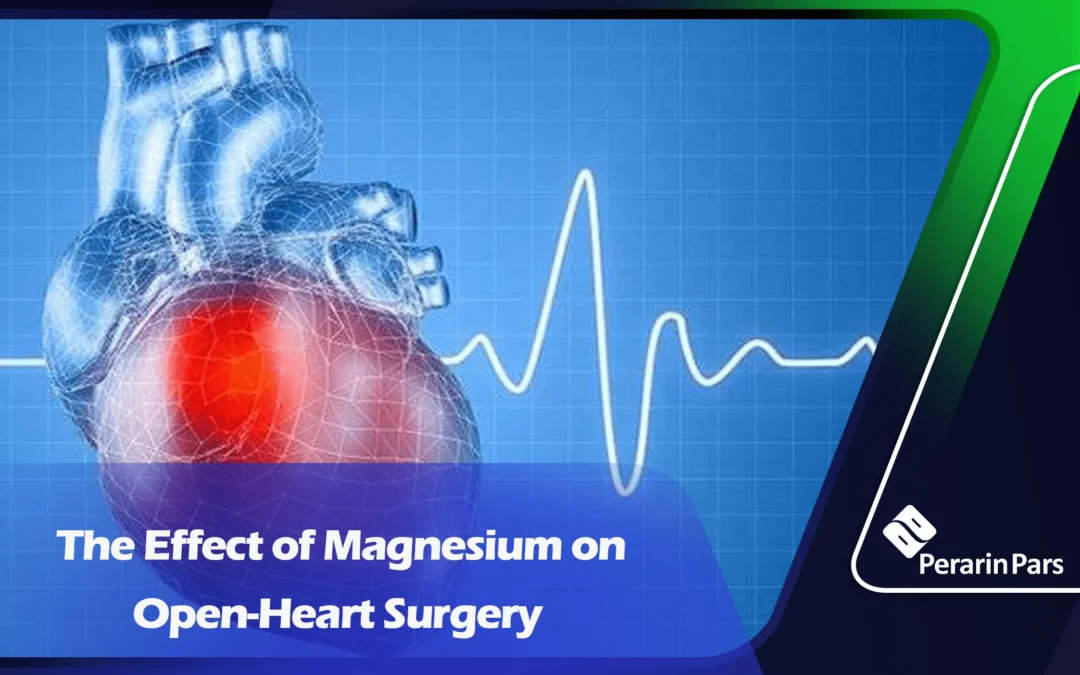
The Effect of Magnesium on Open-Heart Surgery

What is Magnesium? Magnesium (Mg) is an essential mineral used in the human body as a cofactor in over 300 biochemical reactions necessary for maintaining homeostasis.

Biological Functions of Magnesium The biological functions of magnesium are extensive and diverse, including:

  • Production of nucleic acids
  • Involvement in all reactions of adenosine triphosphate (ATP)
  • Modulation of any activity influenced by intracellular calcium concentration (such as insulin release and muscle contraction)

Key Role of Magnesium Magnesium plays a key role in the activity of:

  • Neuroendocrine systems
  • Biological pathways
  • Processes related to the pathophysiology of depression For example, all elements of the limbic system, hypothalamus, pituitary, and adrenal cortex are magnesium-dependent.

The Relationship Between Magnesium and Anxiety There is evidence linking magnesium to anxiety, which has led to increased interest in the potential effectiveness of magnesium supplementation for reducing anxiety symptoms. Common pharmacological anxiety treatments (e.g., benzodiazepines) are often associated with multiple negative side effects for many patients.

Therefore, identifying new effective treatments to reduce anxiety symptoms is beneficial. Magnesium has been found to:

  • Reduce anxiety
  • Alleviate depression
  • Reduce pain after heart surgery

Coronary Artery Bypass Surgery (CABG) Coronary artery bypass grafting (CABG) is a procedure typically performed on patients with atherosclerosis in one or more coronary arteries with over 70% blockage or in cases involving the left main coronary artery with 60% blockage. This procedure has been performed for approximately 40 years globally. Compared to other treatments, coronary artery surgery is more effective in:

  • Relieving angina pain
  • Increasing activity tolerance
  • Increasing survival
  • Improving quality of life

The development of heart surgery and bypass procedures has led to a decrease in mortality rates, but these treatments have specific side effects. Although heart surgery increases life expectancy and quality of life for patients suffering from cardiovascular and chest diseases, it still has significant negative consequences. Post-surgery complications can have a negative impact on the recovery duration for patients.

Recent Evidence on Coronary Artery Bypass Surgery Recent evidence shows that:

  • More than 75% of heart surgery patients do not receive adequate and proper care during their hospital stay and experience significant pain during hospitalization.

  • There are various complications after heart surgery, including:

    • Cardiopulmonary complications
    • Neurological disorders
    • Anxiety and depression
    • Sleep disturbances
    • Water and electrolyte imbalances
    • Acid-base changes
    • Metabolic changes
    • Kidney and gastrointestinal disorders

Coronary Artery Bypass Surgery Process Like other surgeries, coronary artery bypass surgery is stressful for the patient, with anxiety and depression being common disorders in this group of patients, affecting social functioning, quality of life, and resumption of daily activities. Depression is often accompanied by anxiety, and anxiety disorders are among the most common mood disorders with a high prevalence of over 15% in the general population.

Sleep Disorders During Coronary Artery Bypass Surgery Most cardiovascular patients report sleep disturbances after the procedure, and there is a strong correlation between sleep disturbances and coronary artery disease. Sleep is a physiological need, and quality sleep is essential for maintaining health. Improving the quality of sleep for patients is crucial for better management during rehabilitation periods.

Researchers’ Views on Coronary Artery Bypass Surgery Researchers state that in many patients undergoing heart surgery, sleep deprivation is often a risk factor for delirium post-surgery. Given the harmful effects of delirium, such as excessive sympathetic activation, infections, cardiac arrhythmias, and increased costs due to prolonged hospital stays, improving the quality of sleep for patients is important. Electrolyte imbalances are another common post-surgery complication that poses significant problems for patients. These imbalances include:

  • Hypokalemia
  • Hyperkalemia
  • Hyponatremia
  • Hypocalcemia
  • Hypomagnesemia

Hypomagnesemia is common after heart surgery, and magnesium serum levels are significantly altered after the procedure. Studies show that over 70% of patients undergoing coronary artery bypass surgery experience hypomagnesemia.

Various Patterns of Magnesium Deficiency Post-Coronary Artery Bypass Surgery Different patterns of magnesium depletion have been proposed after coronary artery bypass surgery, including:

  • Hemodilution due to cardiopulmonary bypass
  • Neuroendocrine response to surgical stress
  • Increased urinary excretion of magnesium
  • Decrease in serum magnesium levels after surgery
  • Reduction in intracellular magnesium during and after surgery
  • Associated with myocardial hypoxia. Other causes of hypomagnesemia include magnesium-ion complexation with heparin. Diuretics are another factor that can interfere with magnesium reabsorption by inhibiting sodium reabsorption.

Magnesium Supplements Magnesium supplements can improve symptoms related to a variety of diseases likely caused by magnesium deficiency, including:

  • Hypomagnesemia
  • Constipation
  • Arrhythmias
  • Heart failure
  • Acute asthma attacks
  • Diabetes
  • Fibromyalgia
  • Hypertension
  • Migraine headaches
  • Muscle cramps
  • Fatigue

A systematic review and meta-analysis conducted by researchers suggested oral magnesium supplementation for elderly individuals with insomnia. Given that oral magnesium is inexpensive and widely available, clinical trials support the use of magnesium supplements in doses of less than 1 gram up to three times per day for alleviating insomnia symptoms.

Conclusion In conclusion, based on the results of the current review and studies conducted, it can be inferred that:

Patients undergoing open heart surgery often have a higher prevalence of depression, anxiety, and insomnia due to the presence of multiple risk factors. Furthermore, due to magnesium deficiency, various neurotransmitters, including amino acids, nitric oxide, neuropeptides, and cytokines, are altered. Magnesium supplementation may help in managing these conditions effectively.

“Effectiveness of Magnesium During and After Coronary Artery Bypass Grafting (CABG)”

The effectiveness of magnesium during and after coronary artery bypass grafting (CABG) was measured in terms of postoperative pain and respiratory functions, and compared with two other commonly used pain relief medications: codeine and diclofenac, a non-steroidal anti-inflammatory drug (NSAID). Patients were divided into three groups:

  • Group A (50 people): Magnesium, 2 grams per 70 kg, was intravenously administered during surgery and continued for the first 3 days after the surgery.
  • Group B (50 people): Codeine, 60 mg per 70 kg, was administered orally 4 times a day for 3 days.
  • Group C (50 people): Diclofenac sodium, 75 mg, was given orally twice a day for 3 days.

The results showed that magnesium could be a beneficial adjunctive treatment for pain after coronary artery bypass grafting. In this regard, especially in patients with respiratory issues or NSAID intolerance, magnesium might be a better choice compared to NSAIDs and opioids.

References: Boyle, N.B., Lawton, C. and Dye, L., 2017. The effects of magnesium supplementation on subjective anxiety and stress—a systematic review. Nutrients, 9(5), p.429

Faizi, F., & Sepandi, M. (2022). The Effect of Magnesium Oral Supplementation on Anxiety, Depression, and Sleep Quality in Open Heart Surgery Patients: A Review Study. Iranian Journal of Systematic Review in Medical Sciences, 2(1), 76-84.
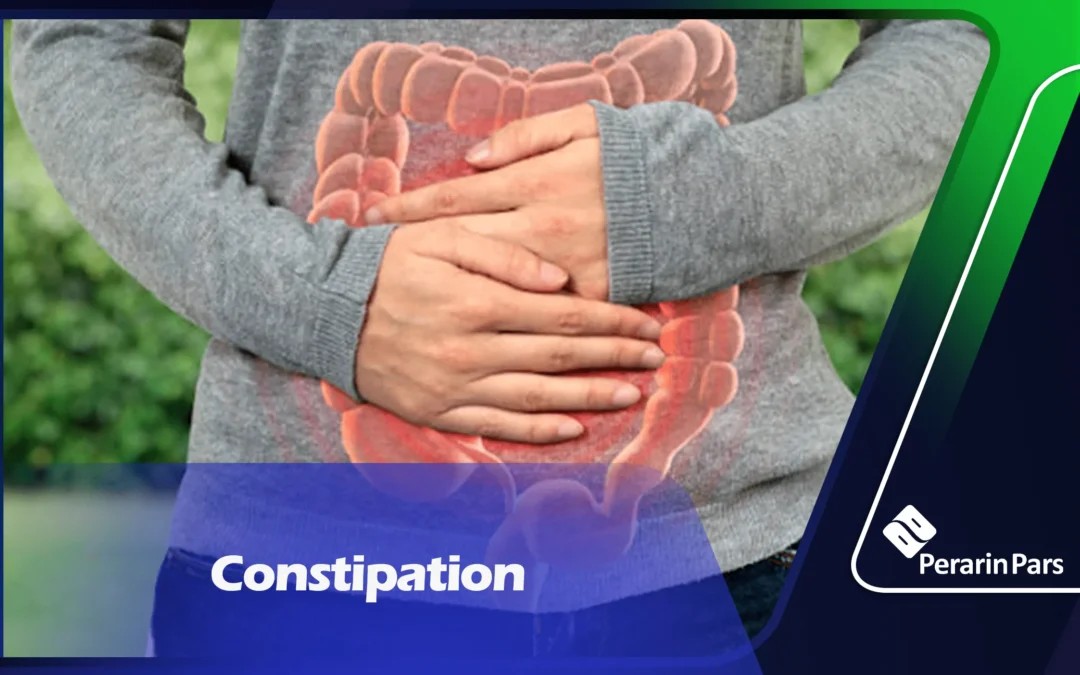
Constipation

Constipation

Constipation: Causes and Treatment

Constipation is a common condition that can be either functional or organic. Occasionally, it may overlap with irritable bowel syndrome (IBS).

Treatment of Constipation

Initially, a physician should differentiate between true and false constipation using clinical symptoms and diagnostic tests, such as colonic transit time assessment. Some patients self-medicate with laxatives, while many others can resolve their constipation by adopting lifestyle changes and using mild laxatives. However, constipation that begins after the age of 50 should be taken seriously until proven otherwise. In cases of IBS-related constipation, supportive treatments are usually sufficient.

While doctors focus on the frequency of bowel movements, patients often prioritize ease of defecation, stool volume, and consistency. Contrary to common beliefs:

  • Constipation does not cause weight gain or significantly contribute to hemorrhoids.
  • Prolonged stool retention does not lead to body poisoning due to toxin absorption.
  • Hypothyroidism is a rare cause of constipation.
  • An elongated colon (dolichocolon) does not necessarily cause constipation, and surgery is not a recommended treatment.
  • Excessive water consumption does not significantly aid in treating constipation, except in cases of severe dehydration.
  • Increased physical activity, exercise, and dietary fiber intake may help some individuals but do not work for everyone.

One effective way to relieve constipation is through dietary supplements such as glucomannan. This natural fiber derived from konjac not only increases stomach volume and promotes satiety but also helps improve bowel movement regularity.

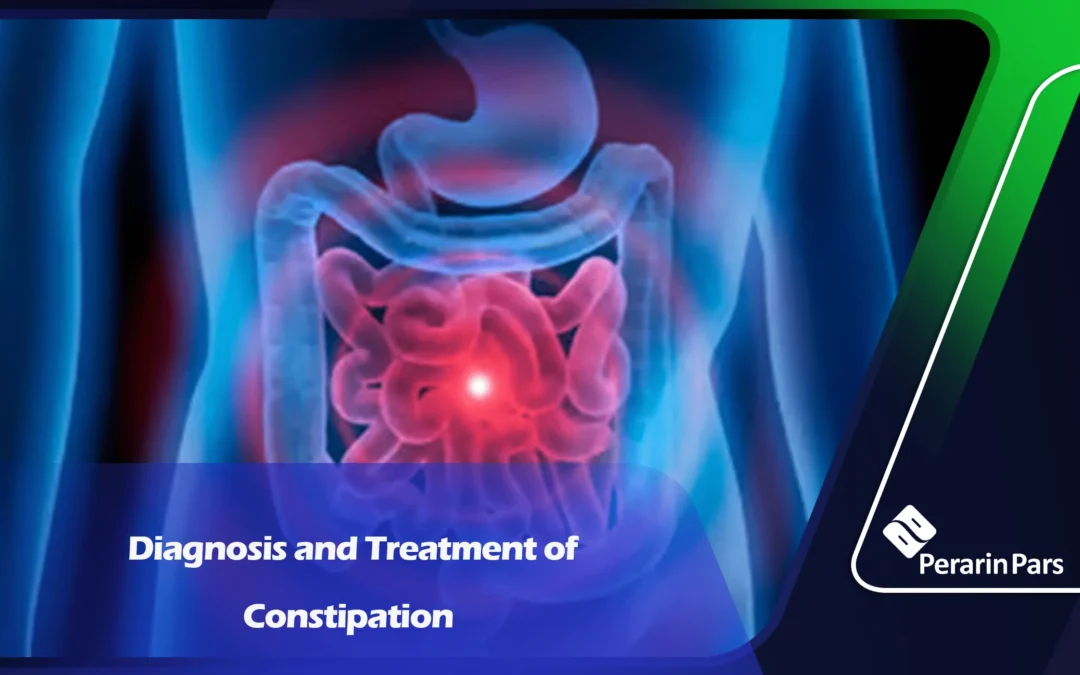
Diagnosis and Treatment of Constipation

Diagnosis and Treatment of Constipation

Diagnosis and Treatment of Constipation

Constipation is a common condition that leads to frequent clinical visits and has significant familial and social impacts. Given the influence of multiple etiological factors, especially in severe and treatment-resistant cases, evaluating secondary causes is essential. A cost-effective diagnostic approach tailored to the large number of affected patients is crucial.

During history-taking and examination, it is important to clarify the patient’s perception of constipation and identify warning signs indicating secondary causes, such as:

  • Weight loss
  • Gastrointestinal bleeding
  • Anemia

In the absence of alarming symptoms, initial treatment includes dietary fiber intake, proper nutrition, adequate hydration, increased physical activity, and avoiding constipation-inducing medications. If treatment response is inadequate, further evaluation should assess defecation disorders, slow colonic transit, and secondary causes like malignant or metabolic conditions.

Defecation disorders, often resistant to conventional treatment, respond well to biofeedback therapy. Long-term use of medications for constipation should consider potential side effects and therapeutic efficacy. Surgical intervention may be considered when other treatments fail.

One effective approach to treating constipation is using supplements such as glucomannan. This product contains konjac fiber, which not only increases stomach volume and induces satiety but also effectively alleviates constipation.

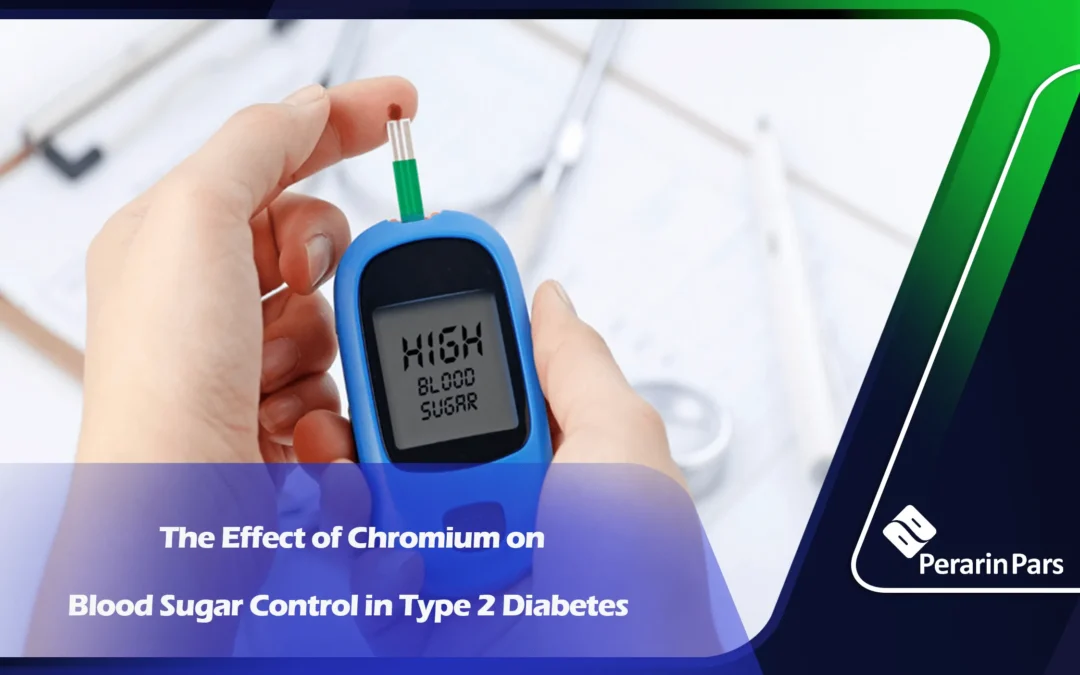
The Effect of Chromium on Blood Sugar Control in Type 2 Diabetes

The Effect of Chromium on Blood Sugar Control in Type 2 Diabetes

Determining the Effect of Chromium on Blood Sugar Control in Patients with Type 2 Diabetes

Introduction

Chromium is an essential mineral necessary for the proper metabolism of glucose, fats, and overall blood sugar control. It plays a crucial role in insulin activity, making it an important element for managing diabetes.

Trivalent Chromium

Trivalent chromium is found in a biologically active complex called the Glucose Tolerance Factor (GTF). This article explores the effect of chromium on blood sugar control in diabetic patients.

Chromium’s Role in Diabetes Management

Chromium is believed to:

  • Increase insulin sensitivity in cells
  • Improve the efficiency of glucose absorption by cells
  • Reduce the severity of diabetes-related symptoms

These properties help diabetic individuals maintain normal blood sugar levels and prevent hyperglycemia and its complications. However, chromium intake should be carefully monitored under medical supervision to avoid potential side effects.

Chromium and Blood Sugar Control

Chromium was first discovered in brewer’s yeast, and its deficiency has been linked to insulin resistance and poor blood sugar control. In normal conditions, chromium binds to a low-molecular-weight peptide, enhancing:

  • Insulin receptor enzyme activity
  • Blood sugar regulation
  • Glycated hemoglobin (HbA1c) levels

Studies have shown that chromium, particularly chromium bound to niacin, can reduce insulin resistance and lower cholesterol levels.

Effects of Chromium Supplementation

Chromium picolinate supplementation has been found to improve insulin sensitivity by stimulating insulin receptors. Several studies, including those conducted in Iran, indicate that serum and hair chromium levels in diabetic patients are significantly lower than in healthy individuals.

Research Findings

Despite positive results, studies on chromium supplementation in both healthy individuals and diabetic patients have shown mixed outcomes. Some research suggests that chromium consumption, combined with increased physical activity, can:

  • Promote muscle mass growth
  • Enhance fat metabolism
  • Improve glucose and lipid metabolism

Conclusion

Chromium supplementation, particularly when combined with physical activity, may aid in:

  • Increasing muscle mass
  • Enhancing fat burning
  • Improving glucose and lipid metabolism

Chitosan supplements containing chromium, such as those from Pararin Pars, are formulated to support weight loss and blood sugar control in diabetic patients.

Weight loss

Weight loss

Effective Weight Loss Methods

Obesity is now recognized as one of the primary underlying causes of chronic diseases such as:

  • Cardiovascular diseases
  • Stroke
  • Hypertension
  • Diabetes
  • Cancer

This article aims to explore the most effective weight loss methods.

The Importance of Addressing Obesity

The significance of tackling obesity lies in its direct impact on reducing the risk of chronic diseases, improving overall quality of life, and ultimately lowering healthcare costs. Many studies have been conducted to examine various weight loss methods, and individuals struggling with obesity often resort to different approaches—some of which may pose serious health risks.

The Most Effective Weight Loss Method

Among the various methods, the only approach that has proven to be both effective and sustainable—while minimizing side effects—is following a balanced nutritional plan combined with a structured exercise regimen based on scientific principles. Additionally, individuals aiming to enhance their physical health may benefit from weight loss supplements such as Garcinia Cambogia, Glucomannan, and Chitosan to help achieve their ideal weight.

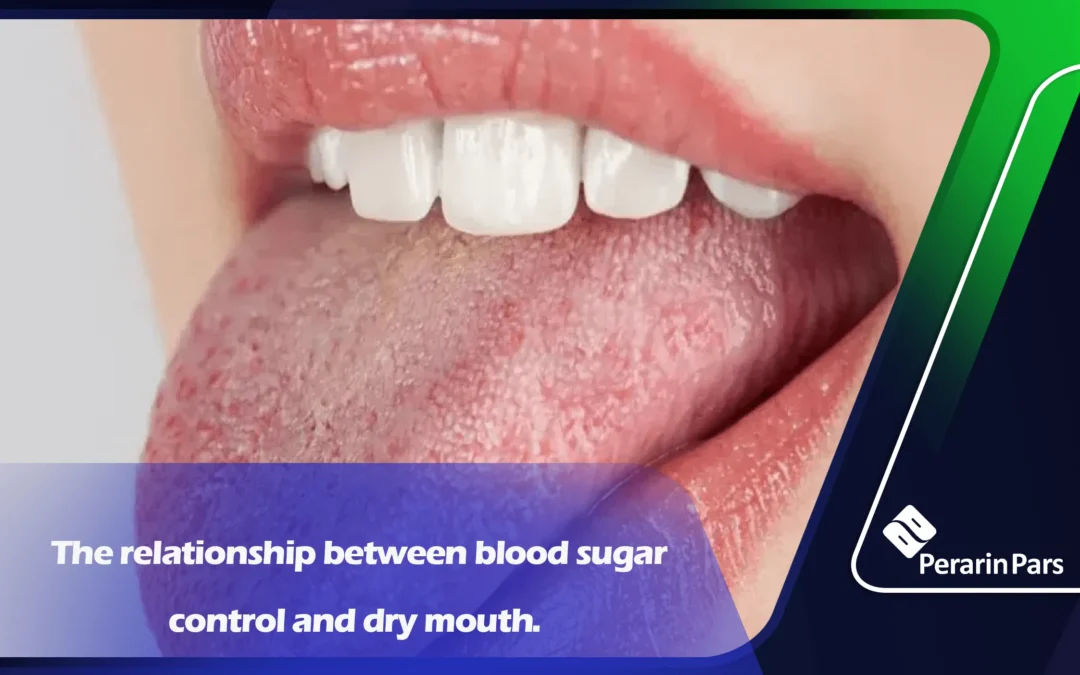
The relationship between blood sugar control and dry mouth.

The relationship between blood sugar control and dry mouth.

Diabetes is a syndrome caused by abnormal metabolism of fats, proteins, and carbohydrates, leading to either a relative or complete lack of insulin in the body and poor blood sugar control, which results in elevated glucose levels in the blood. Another type occurs due to increased cellular resistance to insulin, while the next form occurs in pregnant women, causing abnormal glucose tolerance and weak blood sugar control. The prevalence of this disease has increased in developing countries due to various reasons such as:

  • Population growth
  • Age
  • Lack of physical activity
  • Unhealthy diet

These individuals are often middle-aged. Diabetes complications can affect various organs in the body, including the mouth. This article examines the relationship between blood sugar control and dry mouth.

Oral Lesions in Diabetic Patients Oral lesions that may appear due to diabetes include periodontitis and dry mouth. Poor blood sugar control in diabetes can lead to damage of the salivary glands, resulting in dry mouth, which in turn causes several complications, including:

  • Irritation of dry mucous membranes
  • Minor ulcers
  • Overgrowth of opportunistic microorganisms such as Candida
  • Increased glucose in gingival crevicular fluid
  • Higher incidence of dental cavities
  • Increased plaque accumulation

Dry mouth is an uncomfortable complication of diabetes that can significantly reduce a person’s quality of life. It is associated with poor blood sugar control and medications that can lead to reduced salivary gland activity. Autonomic neuropathies are also one of the complications of diabetes that affect saliva secretion by reducing it, as saliva flow is controlled by sympathetic and parasympathetic pathways. Diabetes manifests many oral symptoms such as:

  • Burning mouth
  • Changes in wound healing
  • Dry mouth
  • Increased risk of infection
  • Candida infections
  • Bilateral enlargement of the salivary glands

Therefore, if a person has diabetes and poor blood sugar control, dry mouth may occur due to reduced salivary gland function, and it is advisable for the individual to consult a specialist in this regard.