What are multivitamins and minerals?

What are multivitamins and minerals?

What are multivitamins and minerals?

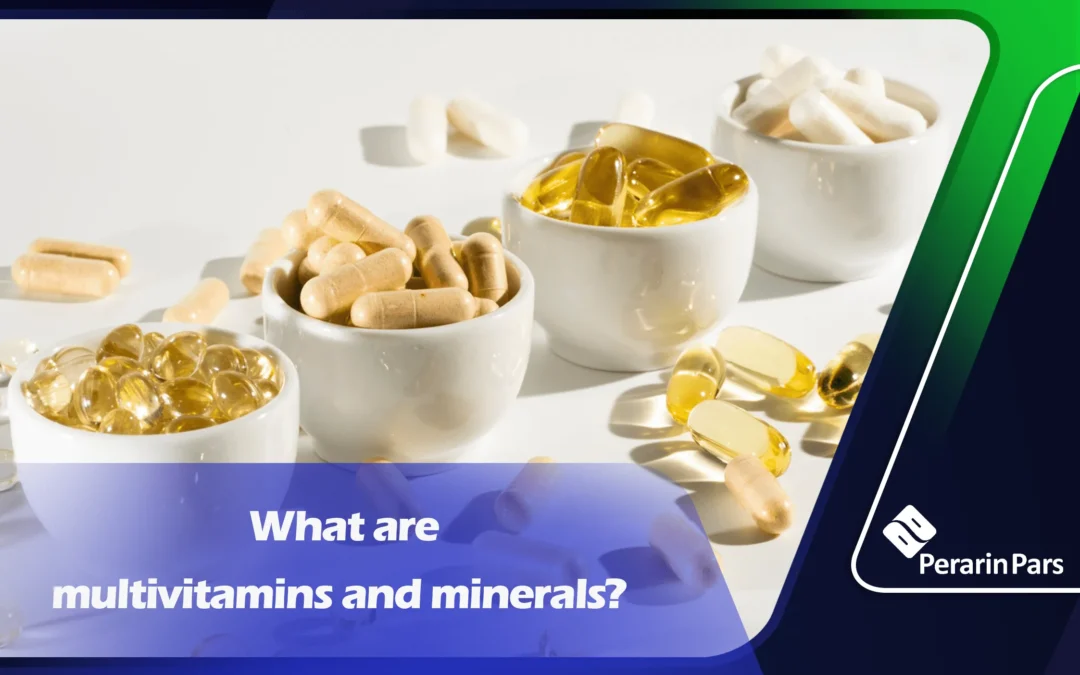
Multivitamins and minerals are a combination of various vitamins and minerals. The human body needs a diverse range of minerals and vitamins for health and to maintain daily functions.

The necessity of using multivitamins and minerals:
If a person has an inadequate diet, they should use multivitamin and mineral supplements to meet their daily requirements. Ideally, vitamins should be obtained daily from a balanced diet. However, due to modern lifestyles and lack of access to natural, organic food, this is often not possible, and individuals have no choice but to rely on multivitamin supplements.

Different forms of multivitamins and minerals:
Multivitamin supplements come in various forms, including powders, chewable tablets, swallowing tablets, effervescent tablets, capsules, drops, injections, and syrups available in the supplement market.

Important points when choosing multivitamins and minerals:
Multivitamin supplements should have labels from reputable companies. When purchasing, it is important to consider your physical condition, gender, and age, and avoid supplements containing starch, sugar, artificial colorings, flavorings, or gluten whenever possible.

Individuals with a history of allergies, or those who are pregnant or breastfeeding, should consult their doctor before using multivitamin supplements.

Usage and storage conditions:
Multivitamin and mineral supplements should be taken as per the doctor’s instructions and the recommended dosage. Never exceed the recommended dose, as this may cause staining of teeth, irregular heartbeat, and digestive issues.

Swallow capsules and tablets with a glass of water. Chewable tablets should be chewed completely, and effervescent tablets should be dissolved in a glass of water and consumed immediately.

For syrup-based multivitamins, use a measuring spoon.

Store multivitamin supplements at room temperature, away from direct sunlight, heat, and humidity. Do not freeze your multivitamin and avoid transferring it from its original container.

Avoid taking multivitamins with dairy products such as milk and yogurt, as well as carbonated drinks and caffeine-containing beverages like soda, coffee, and instant coffee.

If you are using medications such as tretinoin, antibiotics, blood pressure medication, anti-inflammatory drugs, or diuretics, be sure to consult with a doctor or pharmacist.

Key benefits of multivitamin and mineral supplements include:

  • Boosting energy
  • Detoxifying the body
  • Maintaining muscle strength
  • Preventing fatigue
  • Improving mood
  • Managing stress
  • Preventing oral and dental diseases
  • Reducing skin wrinkles
  • Preventing anemia
  • Preventing osteoporosis
  • Preventing cancer
Muscle cramps

Muscle cramps

Muscle cramps occur when muscles experience severe and involuntary contractions.

Typically, cramps occur when:

  • A muscle crosses two joints. The most common areas where muscle spasms occur include the back of the calf, the sole of the foot, the front of the thigh, the back of the thigh, and the lower back.
  • If a person is deficient in minerals like magnesium, calcium, and potassium in their diet, they will gradually experience muscle cramps.
  • Prolonged and irregular sitting, intense physical activity, excessive pressure on muscles, poor circulation, and a poor diet lacking fiber are factors that contribute to muscle cramps.
  • Generally, if blood flow to muscles stops, or if the body’s electrolyte levels like magnesium, calcium, and potassium decrease, or if dehydration occurs, the likelihood of muscle cramps increases.
  • Intense physical activity or lifting heavy objects can compress and weaken the nerves of the spine, which may increase the chance of muscle cramps during activity or sudden changes in posture.

Magnesium in the diet or as a supplement helps improve the function of the parathyroid hormone, which in turn increases calcium absorption into bones. Furthermore, the balance between calcium and magnesium reduces:

  • Spontaneous contractions
  • Prevents calcium deposition

Taking supplements that contain magnesium and vitamin B6 helps:

  • Improve bone density
  • Prevent muscle spasms in individuals

Muscle cramps can occur at any age, depending on the level of physical activity. Therefore, to prevent muscle cramps, individuals should consume a diet rich in magnesium, calcium, and potassium, as failing to meet daily needs can result in muscle cramps.

Natural sources of these minerals include various fruits, leafy vegetables, and legumes. Additionally, taking related supplements can reduce the likelihood of muscle cramps.

Treatment of Polycystic Ovary Syndrome (PCOS)

Treatment of Polycystic Ovary Syndrome (PCOS)

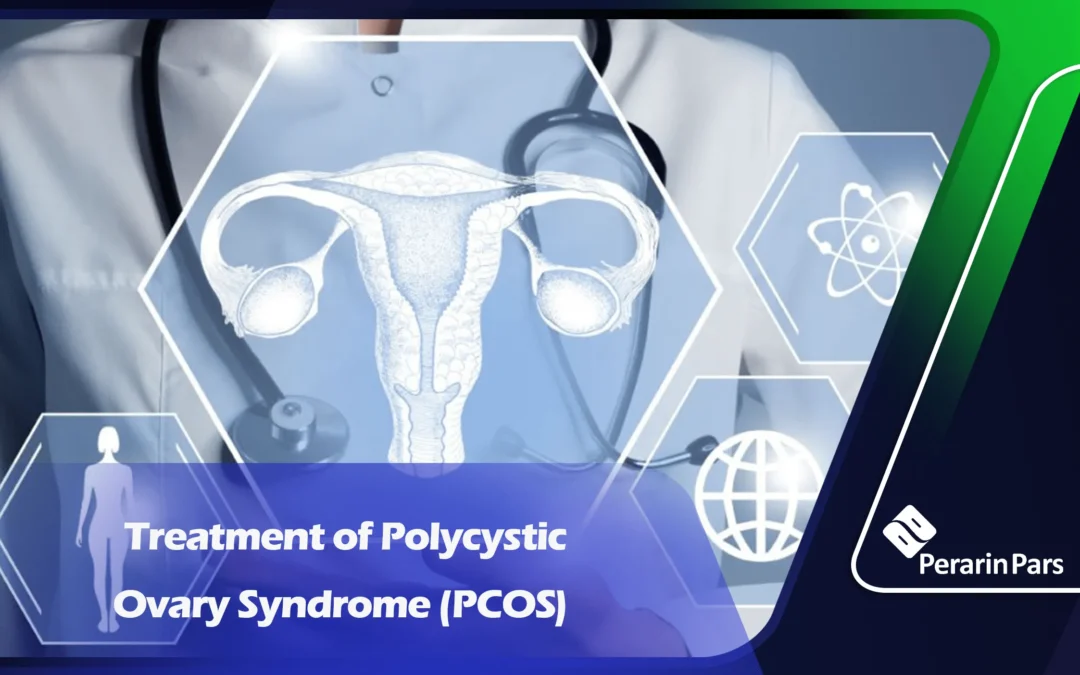
A syndrome refers to a set of symptoms that are observed by a doctor or felt by the patient. In the case of polycystic ovary syndrome (PCOS), also known as “lazy ovaries,” we are dealing with a group of symptoms.

This disorder occurs in women who:

  • Have hormonal imbalances.
  • Experience metabolic problems, which are referred to as metabolic disorders.
  • Have an imbalance in female hormone levels (such as estrogen, progesterone, LH, and FSH) along with an increase in male hormones and insulin imbalance, which is one of the most important hormones in regulating sugar metabolism in the body.

For this reason:

Assisting in the treatment of polycystic ovary syndrome is very important.

Polycystic ovary syndrome is a condition that:

  • Affects female hormone levels. Women with this condition produce higher amounts of male hormones (testosterone) compared to healthy women, and this hormonal imbalance causes the following:

  • Irregular menstrual cycles.

  • Difficulty in conceiving.

Complications of the syndrome: Polycystic ovary syndrome causes excessive hair growth on the face and body and male-pattern hair loss on the scalp. This issue can be linked to chronic health problems such as diabetes and heart disease.

Hexaphosphate inositol product is a supplement that helps treat polycystic ovary syndrome and the metabolic diseases caused by it. Each tablet of this supplement contains 800 mg of hexaphosphate inositol.

Treatment method: IP-6 can significantly aid in the treatment of polycystic ovary syndrome. It is also suitable for the following:

  • Regulating ovulation cycles.
  • Establishing regular periods.
  • Improving fertility.
  • For individuals undergoing IVF treatment.

Hexaphosphate inositol reduces the male hormone testosterone levels and excessive hair growth in women with PCOS. It works by increasing cellular sensitivity to insulin and reducing blood sugar levels in individuals with type 2 diabetes, leading to an improvement in diabetes in women with polycystic ovary syndrome.