
Diagnosis and Treatment of Constipation

Diagnosis and Treatment of Constipation

Diagnosis and Treatment of Constipation

Constipation is a common condition that leads to frequent clinical visits and has significant familial and social impacts. Given the influence of multiple etiological factors, especially in severe and treatment-resistant cases, evaluating secondary causes is essential. A cost-effective diagnostic approach tailored to the large number of affected patients is crucial.

During history-taking and examination, it is important to clarify the patient’s perception of constipation and identify warning signs indicating secondary causes, such as:

  • Weight loss
  • Gastrointestinal bleeding
  • Anemia

In the absence of alarming symptoms, initial treatment includes dietary fiber intake, proper nutrition, adequate hydration, increased physical activity, and avoiding constipation-inducing medications. If treatment response is inadequate, further evaluation should assess defecation disorders, slow colonic transit, and secondary causes like malignant or metabolic conditions.

Defecation disorders, often resistant to conventional treatment, respond well to biofeedback therapy. Long-term use of medications for constipation should consider potential side effects and therapeutic efficacy. Surgical intervention may be considered when other treatments fail.

One effective approach to treating constipation is using supplements such as glucomannan. This product contains konjac fiber, which not only increases stomach volume and induces satiety but also effectively alleviates constipation.


The Effect of Chromium on Blood Sugar Control in Type 2 Diabetes

The Effect of Chromium on Blood Sugar Control in Type 2 Diabetes

Determining the Effect of Chromium on Blood Sugar Control in Patients with Type 2 Diabetes

Introduction

Chromium is an essential mineral necessary for the proper metabolism of glucose, fats, and overall blood sugar control. It plays a crucial role in insulin activity, making it an important element for managing diabetes.

Trivalent Chromium

Trivalent chromium is found in a biologically active complex called the Glucose Tolerance Factor (GTF). This article explores the effect of chromium on blood sugar control in diabetic patients.

Chromium’s Role in Diabetes Management

Chromium is believed to:

  • Increase insulin sensitivity in cells
  • Improve the efficiency of glucose absorption by cells
  • Reduce the severity of diabetes-related symptoms

These properties help diabetic individuals maintain normal blood sugar levels and prevent hyperglycemia and its complications. However, chromium intake should be carefully monitored under medical supervision to avoid potential side effects.

Chromium and Blood Sugar Control

Chromium was first discovered in brewer’s yeast, and its deficiency has been linked to insulin resistance and poor blood sugar control. In normal conditions, chromium binds to a low-molecular-weight peptide, enhancing:

  • Insulin receptor enzyme activity
  • Blood sugar regulation
  • Glycated hemoglobin (HbA1c) levels

Studies have shown that chromium, particularly chromium bound to niacin, can reduce insulin resistance and lower cholesterol levels.

Effects of Chromium Supplementation

Chromium picolinate supplementation has been found to improve insulin sensitivity by stimulating insulin receptors. Several studies, including those conducted in Iran, indicate that serum and hair chromium levels in diabetic patients are significantly lower than in healthy individuals.

Research Findings

Despite positive results, studies on chromium supplementation in both healthy individuals and diabetic patients have shown mixed outcomes. Some research suggests that chromium consumption, combined with increased physical activity, can:

  • Promote muscle mass growth
  • Enhance fat metabolism
  • Improve glucose and lipid metabolism

Conclusion

Chromium supplementation, particularly when combined with physical activity, may aid in:

  • Increasing muscle mass
  • Enhancing fat burning
  • Improving glucose and lipid metabolism

Chitosan supplements containing chromium, such as those from Pararin Pars, are formulated to support weight loss and blood sugar control in diabetic patients.

Weight loss

Weight loss

Effective Weight Loss Methods

Obesity is now recognized as one of the primary underlying causes of chronic diseases such as:

  • Cardiovascular diseases
  • Stroke
  • Hypertension
  • Diabetes
  • Cancer

This article aims to explore the most effective weight loss methods.

The Importance of Addressing Obesity

The significance of tackling obesity lies in its direct impact on reducing the risk of chronic diseases, improving overall quality of life, and ultimately lowering healthcare costs. Many studies have been conducted to examine various weight loss methods, and individuals struggling with obesity often resort to different approaches—some of which may pose serious health risks.

The Most Effective Weight Loss Method

Among the various methods, the only approach that has proven to be both effective and sustainable—while minimizing side effects—is following a balanced nutritional plan combined with a structured exercise regimen based on scientific principles. Additionally, individuals aiming to enhance their physical health may benefit from weight loss supplements such as Garcinia Cambogia, Glucomannan, and Chitosan to help achieve their ideal weight.

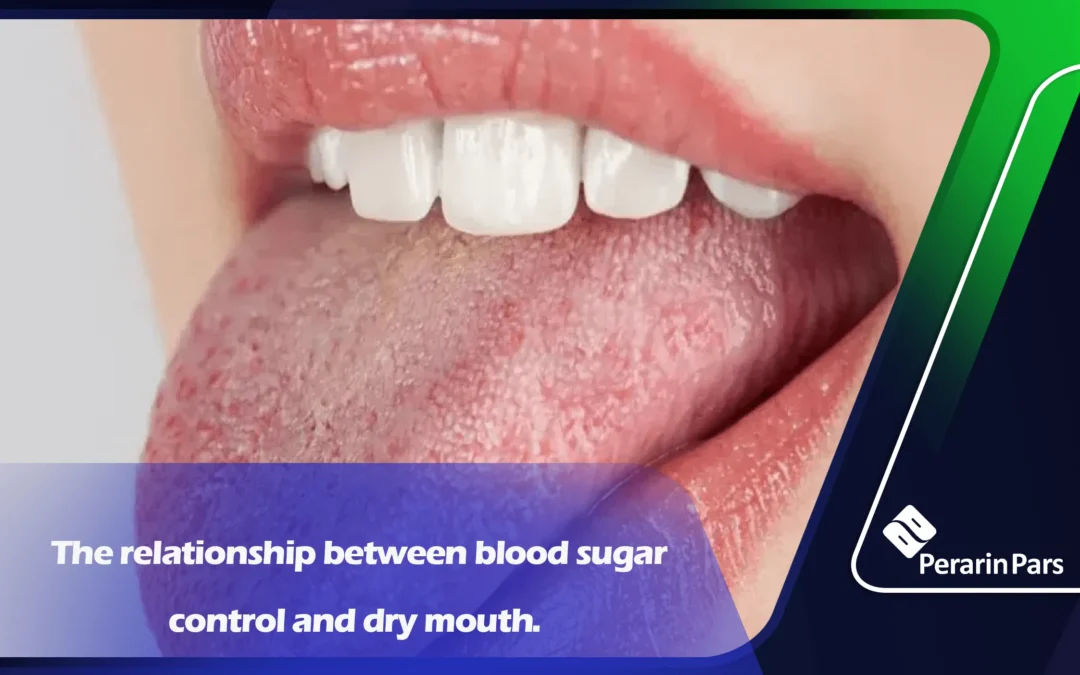
The relationship between blood sugar control and dry mouth.

The relationship between blood sugar control and dry mouth.

Diabetes is a syndrome caused by abnormal metabolism of fats, proteins, and carbohydrates, leading to either a relative or complete lack of insulin in the body and poor blood sugar control, which results in elevated glucose levels in the blood. Another type occurs due to increased cellular resistance to insulin, while the next form occurs in pregnant women, causing abnormal glucose tolerance and weak blood sugar control. The prevalence of this disease has increased in developing countries due to various reasons such as:

  • Population growth
  • Age
  • Lack of physical activity
  • Unhealthy diet

These individuals are often middle-aged. Diabetes complications can affect various organs in the body, including the mouth. This article examines the relationship between blood sugar control and dry mouth.

Oral Lesions in Diabetic Patients Oral lesions that may appear due to diabetes include periodontitis and dry mouth. Poor blood sugar control in diabetes can lead to damage of the salivary glands, resulting in dry mouth, which in turn causes several complications, including:

  • Irritation of dry mucous membranes
  • Minor ulcers
  • Overgrowth of opportunistic microorganisms such as Candida
  • Increased glucose in gingival crevicular fluid
  • Higher incidence of dental cavities
  • Increased plaque accumulation

Dry mouth is an uncomfortable complication of diabetes that can significantly reduce a person’s quality of life. It is associated with poor blood sugar control and medications that can lead to reduced salivary gland activity. Autonomic neuropathies are also one of the complications of diabetes that affect saliva secretion by reducing it, as saliva flow is controlled by sympathetic and parasympathetic pathways. Diabetes manifests many oral symptoms such as:

  • Burning mouth
  • Changes in wound healing
  • Dry mouth
  • Increased risk of infection
  • Candida infections
  • Bilateral enlargement of the salivary glands

Therefore, if a person has diabetes and poor blood sugar control, dry mouth may occur due to reduced salivary gland function, and it is advisable for the individual to consult a specialist in this regard.